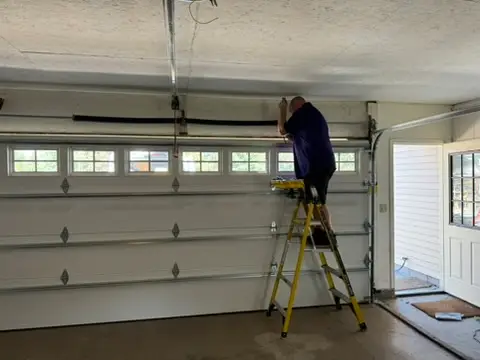

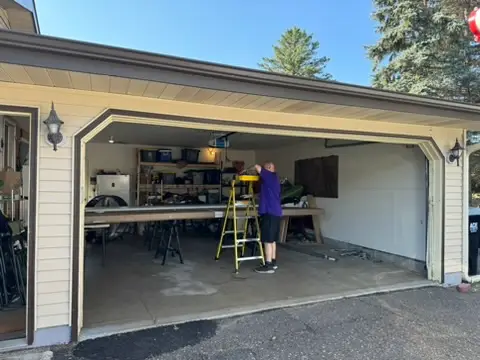
Most homeowners use their garage door every day without giving it much thought. It opens when you leave for work, closes when you return home, and quietly does its job in the background. Because it operates so reliably, it’s easy to overlook the amount of wear the system experiences over time. Springs, cables, rollers, tracks, and openers all work together every time the door moves, and eventually, those components begin to show signs of use.
When something does go wrong, many homeowners aren’t sure whether the issue is minor or something that requires professional attention. A noisy door, slow operation, or uneven movement may seem like small inconveniences at first, but they can also be early warning signs of larger mechanical problems. Understanding the most common causes of garage door repair can help homeowners recognize issues early, improve safety, and prevent more extensive repairs down the road.
Garage Doors Are Made Up of Many Moving Parts
Although a garage door may appear simple from the outside, it is actually a carefully balanced mechanical system. Springs support the weight of the door, cables help control movement, rollers travel along tracks, hinges allow sections to bend, and the opener coordinates the entire operation. Every component depends on the others functioning correctly.
When one part begins wearing out, additional stress is often placed on the rest of the system. For example, worn rollers may cause the opener to work harder, while damaged springs can affect how evenly the door moves. What starts as a single worn component can gradually lead to additional repairs if left unaddressed.
Understanding that garage doors operate as complete systems rather than individual parts helps explain why a professional inspection often looks beyond the obvious problem to evaluate the condition of the entire door.
Small Warning Signs Often Appear Before Major Repairs Are Needed
Garage doors rarely stop working without giving some indication that something has changed. Many problems develop gradually, providing homeowners with opportunities to schedule repairs before the situation becomes more serious.
Some of the most common warning signs include:
- The door moves more slowly than normal.
- Grinding, squeaking, or popping noises during operation.
- The garage door appears uneven while opening or closing.
- The opener struggles to lift the door.
- The door reverses unexpectedly.
- Visible wear on springs, cables, or rollers.
While any one of these issues may seem relatively minor, they often indicate that a component is wearing out or operating under additional stress. Addressing these symptoms early is frequently less expensive than waiting for complete component failure.
Homeowners needing garage door repair services can often prevent larger repairs by having these warning signs evaluated before they become emergency situations.
Some Repairs Should Never Be Attempted Without the Proper Equipment
Many home improvement projects are suitable for do-it-yourself repairs, but garage door systems are different. Components such as torsion springs and lift cables operate under significant tension, and attempting to repair or replace them without the proper tools and training can create serious safety hazards.
While homeowners can safely perform basic maintenance such as keeping tracks clean, inspecting weather seals, or testing safety sensors, repairs involving springs, cables, or major hardware should be left to trained professionals. These systems require specialized equipment and careful adjustment to ensure the door operates safely after repairs are completed.
According to the U.S. Consumer Product Safety Commission, garage doors are among the largest moving objects found in most homes, making proper maintenance and safe operation especially important.
Protecting your family’s safety is one of the biggest reasons professional repairs are recommended whenever major garage door components are involved.
Regular Maintenance Helps Prevent Unexpected Breakdowns
One of the best ways to reduce the need for emergency garage door repair is through routine maintenance. Like any mechanical system, garage doors perform better when moving parts are inspected, adjusted, and serviced before excessive wear develops.
Routine maintenance often includes:
| Maintenance Task | Why It’s Important |
| Inspect springs and cables | Identifies wear before failure occurs |
| Lubricate moving parts | Reduces friction and noise |
| Tighten hardware | Prevents vibration from loosening components |
| Test safety sensors | Ensures safe operation |
| Check door balance | Reduces strain on the opener |
| Inspect weather seals | Helps protect the garage from moisture and debris |
These relatively simple inspections can help extend the lifespan of many garage door components while improving the overall reliability of the system.
Scheduling a professional garage door tune-up allows technicians to identify developing issues before they become costly repairs.
Weather Can Affect Garage Door Performance
Minnesota homeowners know that weather affects nearly every part of a home, and garage doors are no exception. Seasonal temperature swings cause metal components to expand and contract, lubrication can become less effective during colder months, and moisture may contribute to rust or corrosion over time.
Winter often places additional stress on garage door systems. Ice buildup near the bottom seal, frozen rollers, or increased operating resistance may make the opener work harder than normal. Summer heat can also accelerate wear on moving components if maintenance has been neglected.
Although weather cannot be controlled, regular inspections before seasonal changes help ensure the garage door continues operating smoothly throughout the year. Catching small issues before winter arrives is often easier than dealing with unexpected failures during severe weather.
Knowing When Repair Is Better Than Replacement
One question homeowners frequently ask is whether a garage door should be repaired or completely replaced. The answer depends on several factors, including the age of the system, the condition of the door itself, and the extent of the damage.
In many cases, replacing individual components such as springs, rollers, cables, or openers restores the system to reliable operation without requiring a completely new garage door. However, if multiple major components have reached the end of their lifespan or the door has sustained significant structural damage, replacement may provide greater long-term value.
An experienced technician can evaluate the condition of the entire system and explain which option makes the most sense based on safety, performance, and long-term cost. Rather than immediately recommending replacement, the goal should always be identifying the solution that best fits the homeowner’s needs.
Garage Door Repair Protects More Than Convenience
A functioning garage door provides more than convenient access to your home. It contributes to security, protects vehicles and belongings, and helps ensure your family can safely enter and leave the property every day. Because the system is used so frequently, even small mechanical issues deserve attention before they develop into larger problems.
Understanding how garage doors operate, recognizing early warning signs, and scheduling professional repairs when needed all help extend the life of the system while reducing the likelihood of unexpected breakdowns. With proper maintenance and timely service, many garage doors continue operating reliably for years while providing the convenience homeowners depend on every day.